STYLES

Here are examples of some of the popular interior design styles shaping homes in New Zealand.

Image Credit: blog.canadianloghomes.com
Image Credit: nz.pinterest.com/pin/49264995439081

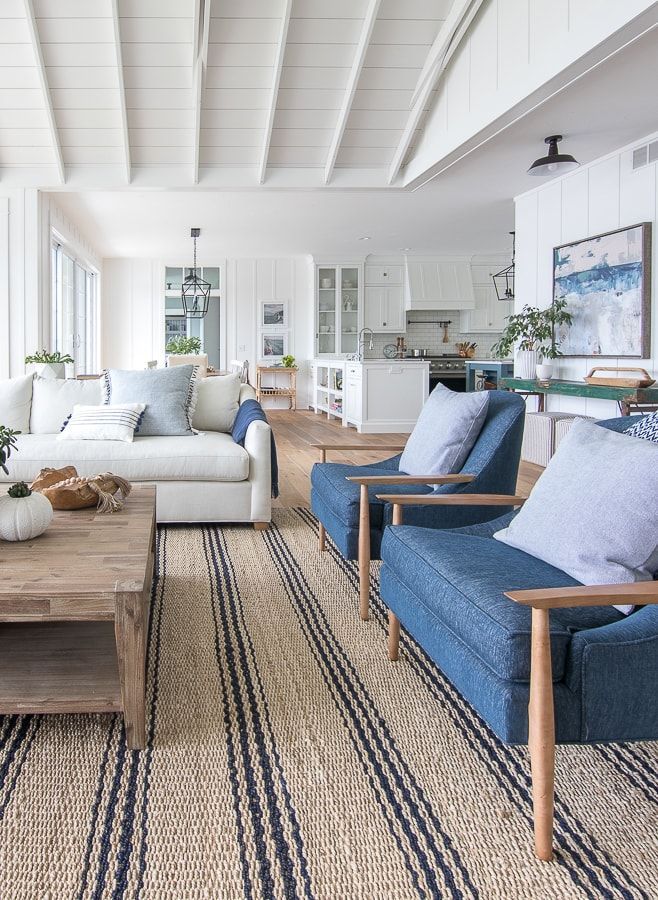
Coastal

Key features of Coastal style are: Soft and light tones, whites, light blues, greens, greys, resembling the ocean and beiges and browns to resemble the beach/sand.

Light and airy rooms that are open and spacious, giving the feeling of calm. Large windows to let in lots of natural light, minimal window treatments such as see-through curtains, sheers or shutters maximising light. Uncluttered space with not too many accessories. The space is inviting, casual, comfortable and a relaxing place to be just like being at the ocean. It can also bring in some sophistication.

Natural textures and materials to portray the scenery in coastal areas (wood, cotton, linens, jute, wicker). Relaxed and comfortable furniture but also with strong lines, distressed or weathered furniture, slipcover furniture, strong use of woods, tongue and groove, wooden beams. Décor inspired by the coast, beach and ocean such as shells, coral, driftwood, netting, rattan, wicker, seagrass, nautical décor, e.g. boats, ors, worn/rustic pieces. Soft and light shaded colours. Classic striped pattern (symbol of the ocean) and blues. Wall art is usually nautical, ocean or beach themed. This style can also include an upbeat tropical style, which could include fun patterns (tribal, geometric), bright shades and more pops of colour.

The space feels comfortable, calm, relaxing but also sophisticated.
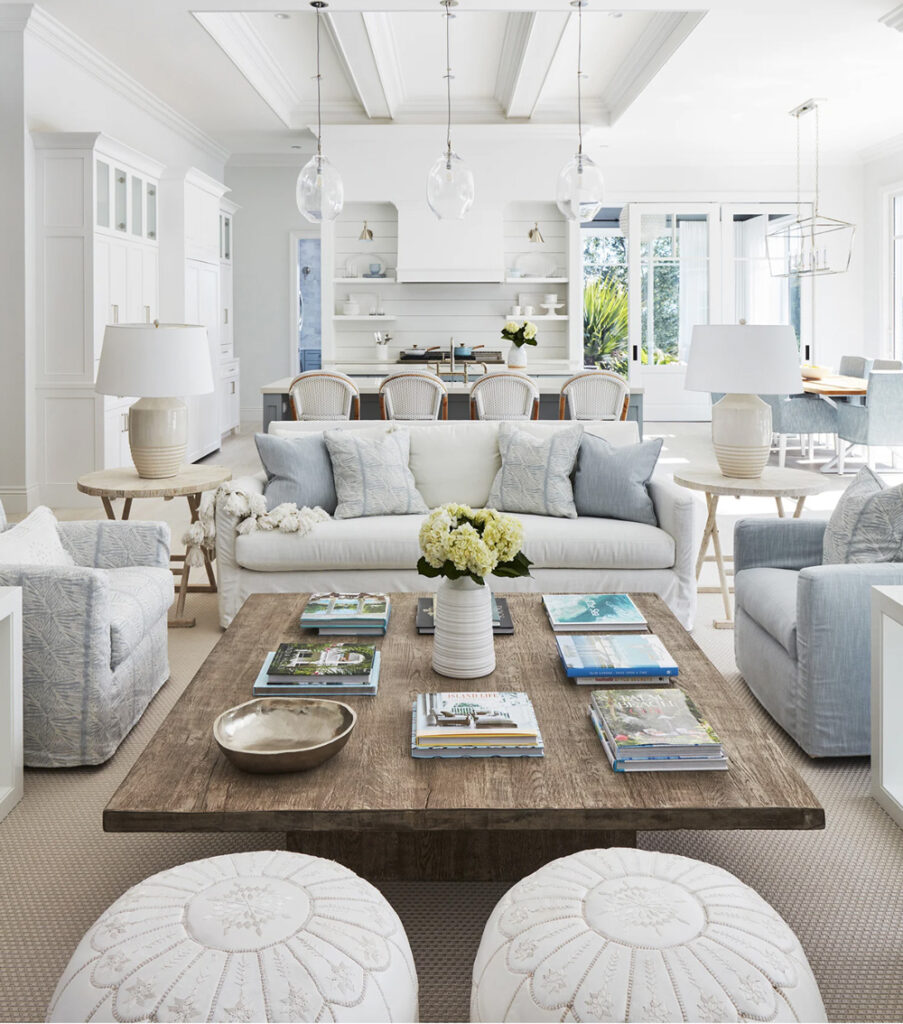
Key Features:

  • Whites, creams, sandy beige with accents of soft blues, seafoam green, teal and charcoal to mimic the ocean and sand
  • Light-coloured woods, driftwood, rattan, wicker, cane, jute, seagrass to create a layered organic feel.
  • Light and airy spaces, maximizes natural light, large windows, skylights, minimal window treatment (sheer curtains). Reflective surfaces (glossy tiles, mirrors)
  • Comfortable furniture, slip cover sofas, oversized cushions, relaxed functional pieces that feel inviting.
  • Subtle nautical accents that are sophisticated such as coral sculptures, glass, blue and white pottery, stripes, seashell encrusted items. Best to avoid tacky, literal beach items, e.g. boats, lighthouses etc.
  • Light-coloured flooring, whitewashed timber, natural fibre rugs such as jute or sisal.
  • Open plan, flowing, airy breezy layouts which feel spacious.
  • Don’t overclutter the space.
Image Credit: www.thespruce.com
Image Credit: Morsa Images

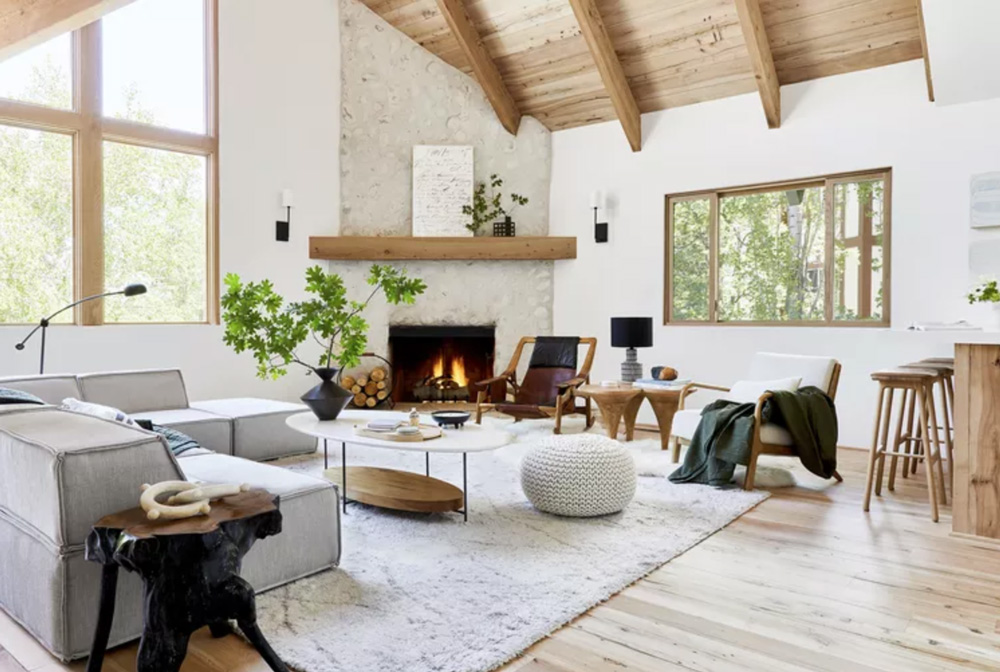
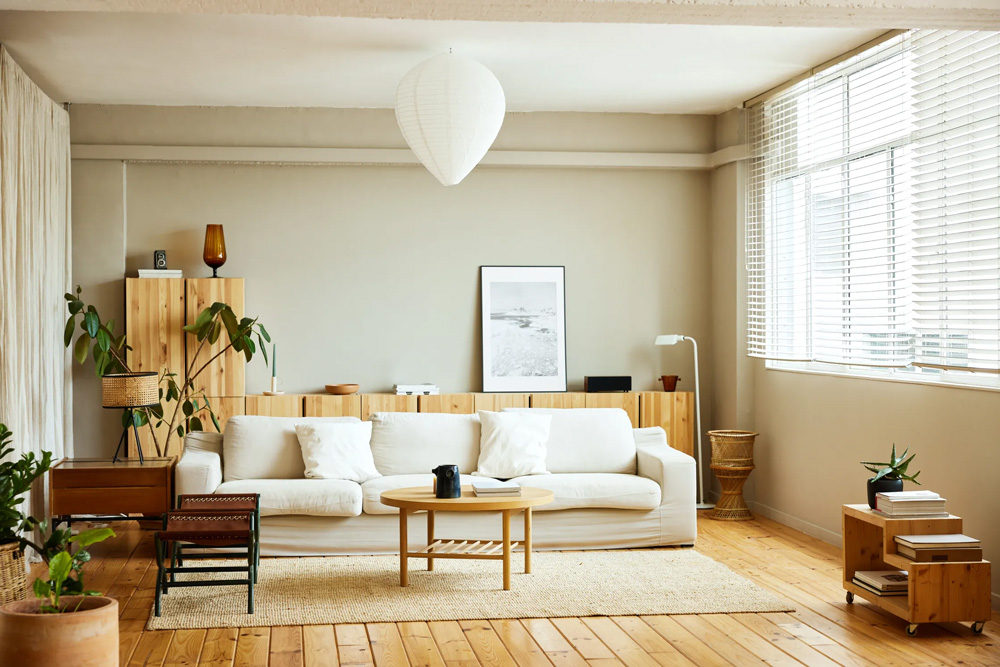
Scandinavian / Scandi

Originating in Nordic countries, this modern style focuses on being simple and minimal as well as functional. It uses lots of natural materials including light coloured woods with complimenting organic materials such as linen, cotton, wool, rugs, knits, to add texture and warmth to the space. 


The colour palette is neutral, mostly whites and greys with muted earthy colours such as blues and greens, especially greens with the use of plants helping to bring the outdoors in. Spaces are full of natural light or an emphasis on light or light reflecting surfaces that are important in the dark winter days and harsh climate in Scandinavia. A variety of lighting is brought into the space to add light to different areas. Furniture is simple, functional, cosy and usually has clean lines whether straight or curved. The space is warm and inviting. Décor is functional and on the minimal side to avoid clutter and to keep the space clean. Each piece in the room has a purpose and place to maximise the quality of living in the space.

Key Features:

  • Mainly whites, light greys, muted tones to maximize light in the space. Warm woods to provide contrast.
  • Light and airy spaces, large windows, minimal window treatments (sheer curtains), strategically placed mirrors.
  • Natural Materials, lots of wood for the floor/furniture, wool linen, sheepskin, jute, and leather to add warmth.
  • Minimal and functional furniture design to be practical incoprmation clean lines, clutter-free and tidy spaces
  • Comfort and warmth is added through layered textiles such as wool rugs, throws, soft cushions.
  • Decor and accessories are to be simple, purposeful. Botanical, potted plants, candles, ceramics, minimalistic furniture.
  • Can often included artistic accents such as monochromatic or abstract art to add character to the space.
Image Credit: https://www.annarosemann.com
Image Credit: https://www.annarosemann.com/

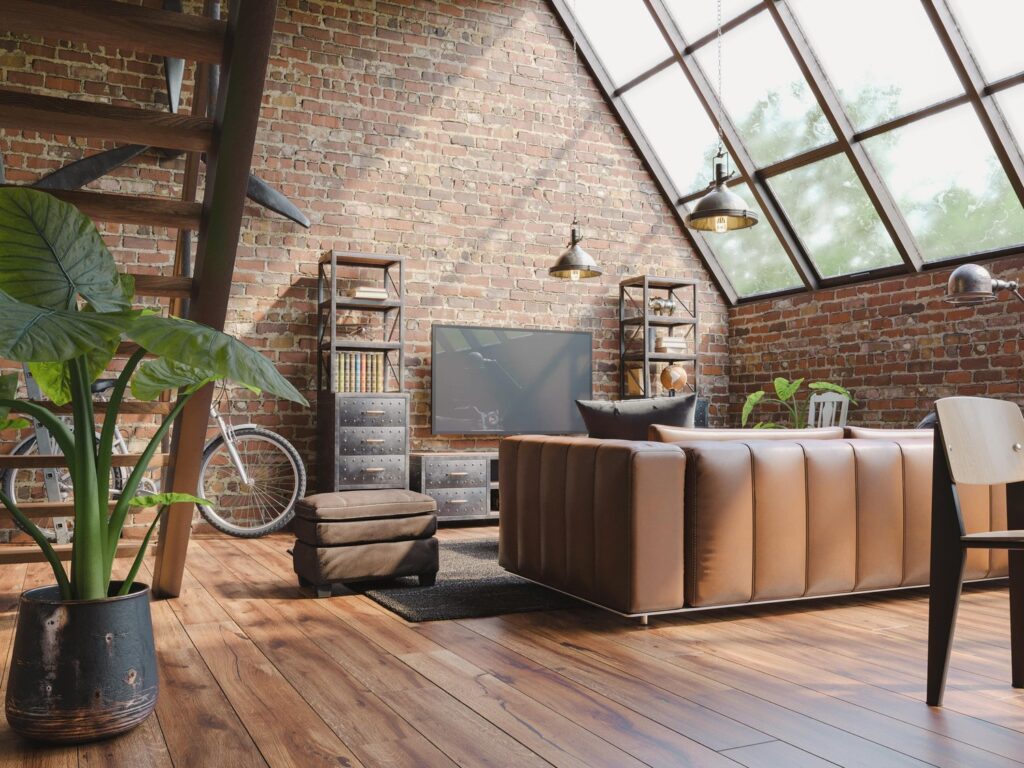
Industrial

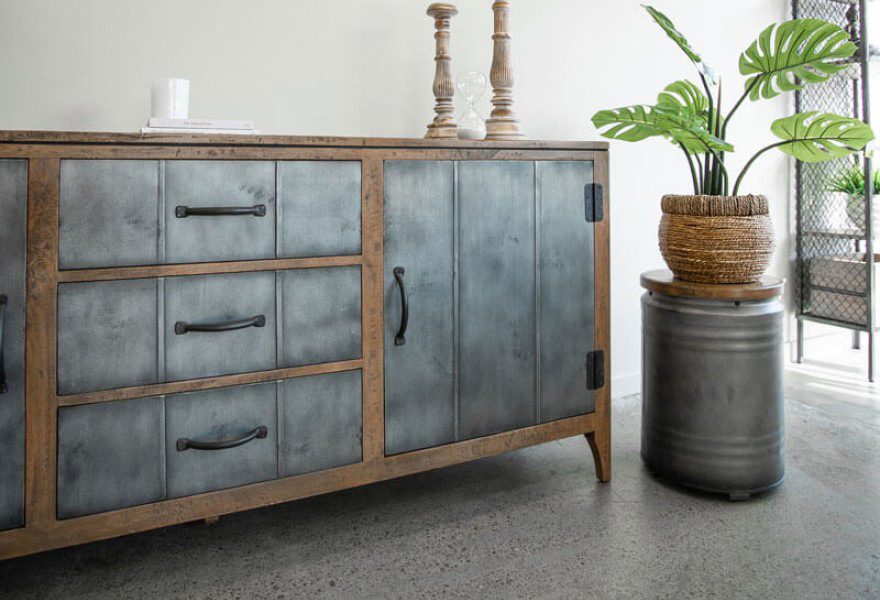
This style is inspired by old industrial factories, warehouses and commercial spaces. There is a lot of use of raw materials and unfinished surfaces such as exposed bricks, stone, concrete, steel, metal, glass which are all materials that you would see in industrial spaces. An open spacious floor plan and natural earthy colours with splashes of bold colours are used. The space is functional and sophisticated. This rugged style can be softened with materials such as leather, rugs, throws and plants. Furniture pieces include minimalistic and rustic wood and metal, rusty steel, with harsh straight lines as well as vintage and up-cycled materials.
Image Credit: https://www.livingetc.com/
Image Credit: https://www.markalexanderdesign.com.au/

Art Deco

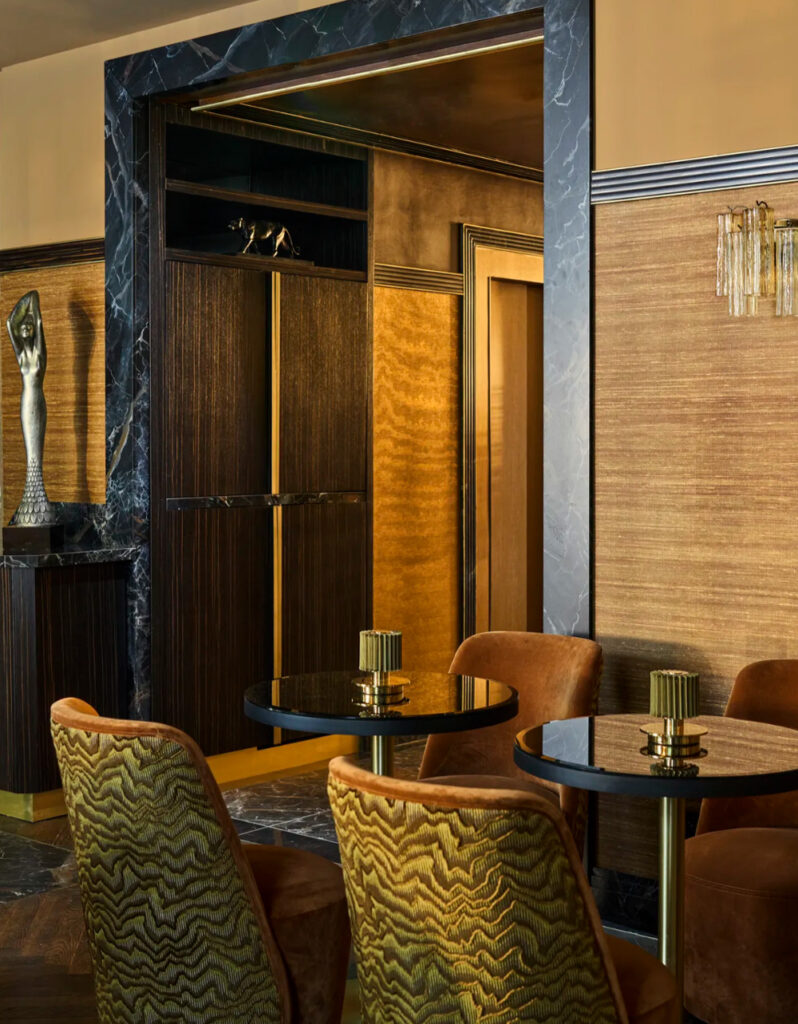
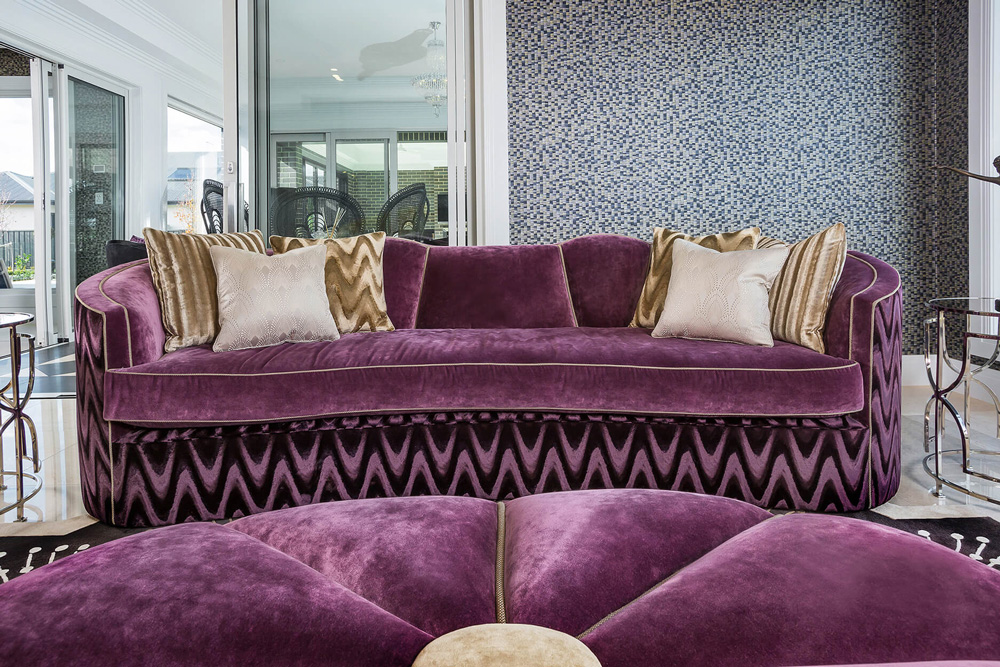
This style covers a range of designs and was introduced in the time between the wars where furniture had to be functional, practical as well as stylish. Originating in France, it and was an attempt at modern design in the 1920’s. It consists of a range of styles but recognised designs included geometric patterns, lightning bolts, radio waves, ornamental designs, motifs, mackintosh rose, Materials were often luxurious and included metal, glass, dark exotic woods which were varnished or covered in exotic skins or leathers. Chrome accessories with a mix of pewter, marble or ebony, African vases and figures. Furniture was highly crafted and had a high attention to detail and art inspired. The use of bold colour was prominent as well as a high attention to the style of the accessories in the room, which often had a stepped ornate style.

The room to the right is an example of an art deco interior because it depicts a functional space as well as glamour and sophistication. The trims are opulent and extravagant and you can see a use of luxurious materials and fittings such as the grand marble trim, ornate wall lamps, African figure, dark woods, glass tables, ornate horizontal trims, bronze, designer pattered material on the back of chairs. Highly crafted pieces.

The bold coloured purple sofa is functional but also glamorous with its ornate designer pattern and finer detailing and looks sophisticated with its bold shape and smooth strong lines. The matching gold cushions add even more luxury to the sofa.

Image Credit: www.livingetc.com
Image Credit: www.decorilla.com
Image Credit: https://houseandhome.com

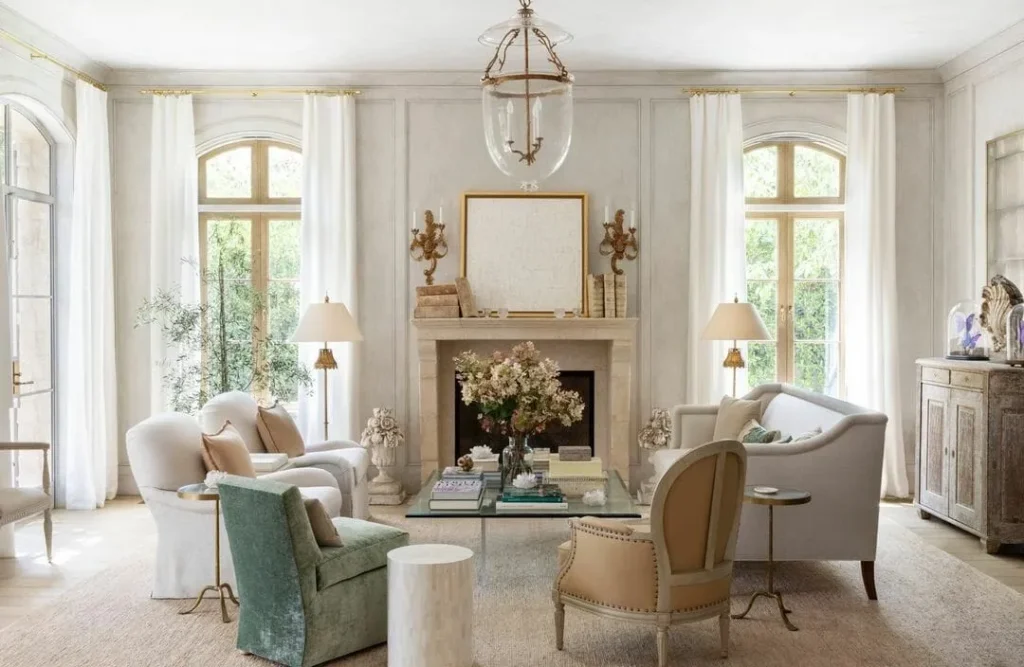
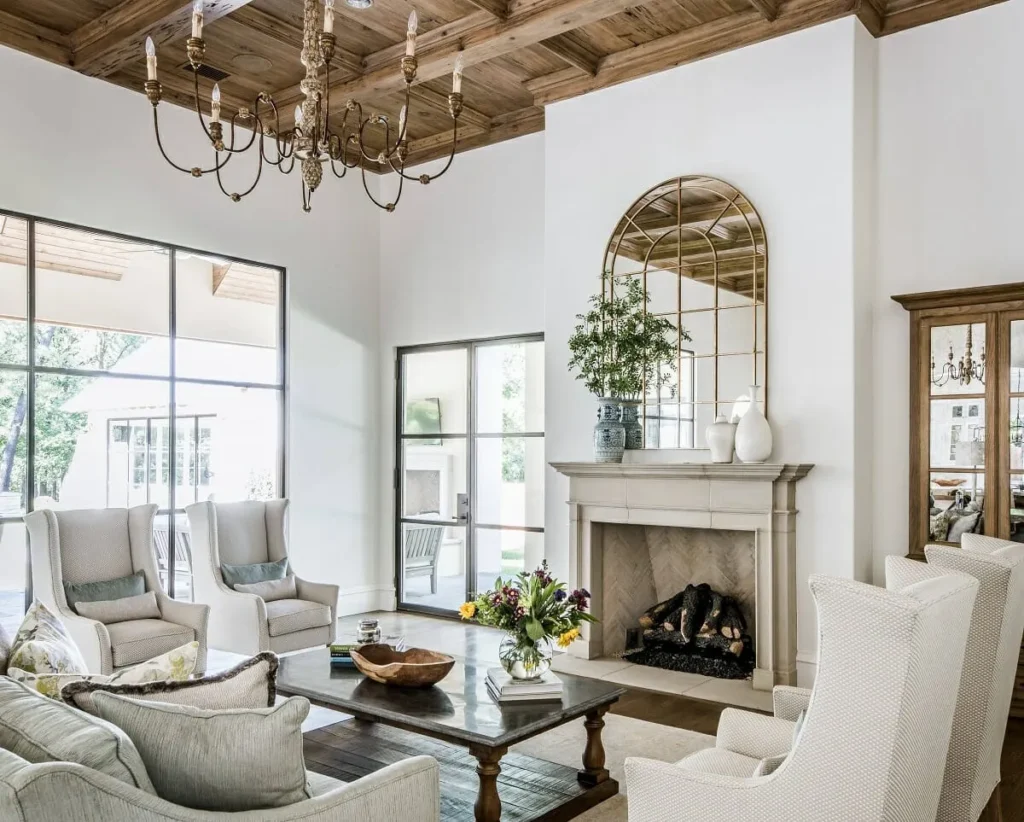
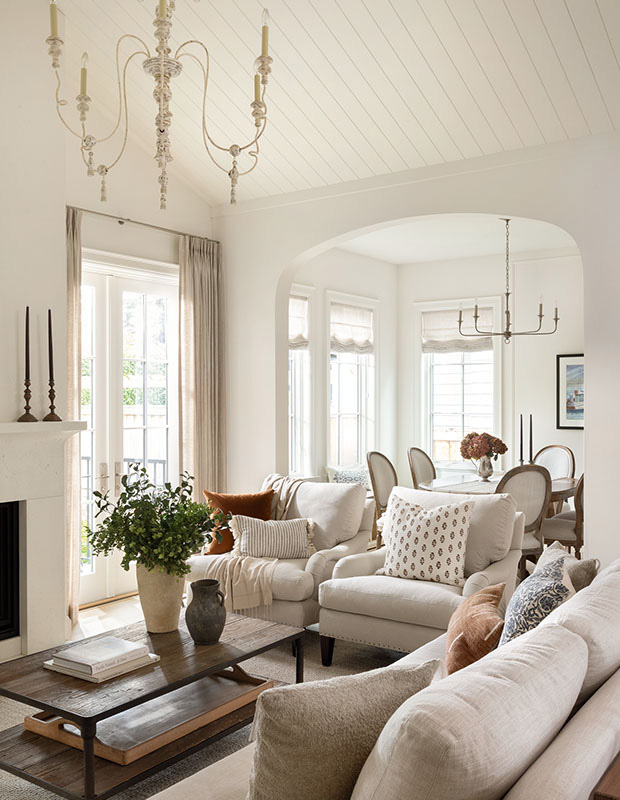
French Country (Provincial)

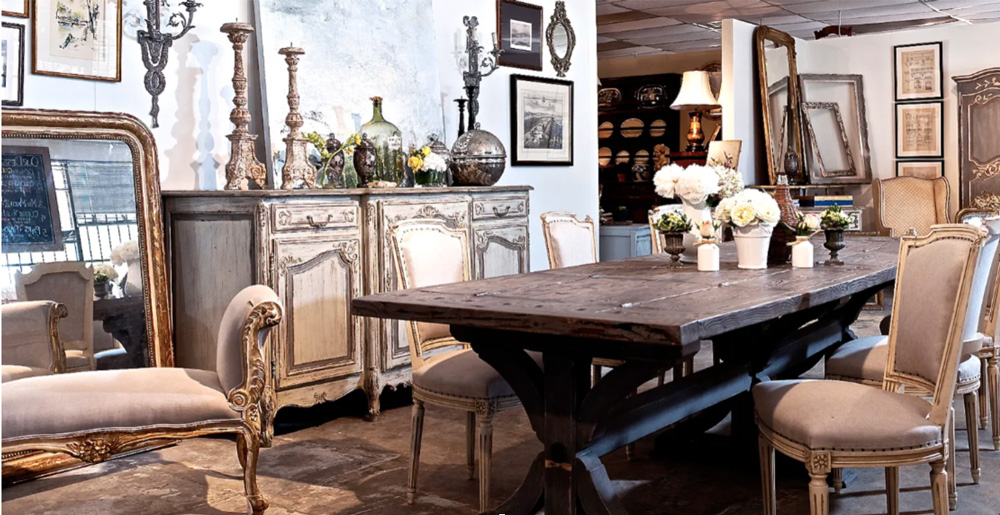
This cosy and inviting style draws inspiration from the French countryside. It has lots of rustic charm and character but is also elegant and luxurious too. Natural materials are used such as wood and stone along with complimenting softer materials for warmth such as linen and cotton.

The colour palette is neutral and warm with earthy colours. White washed floors are popular, exposed timbers, mismatched décor.

Furniture is often wood, re-purposed, antique or aged in some way. Botanical and floral patterns can be found on wallpaper and some furniture pieces. Slipcovers are popular in this style as they give more of a casual and relaxed look to the space.

Key Features:

  • Neutral warm walls and furniture (creams, white, beige), accents of soft muted tones such as sage green, pale blue, yellow, lavender.
  • Natural organic materials such as stone, weather wood, exposed ceiling beams, whitewashed plaster walls.
  • Cold flooring, wood, stone, tiles softened with organic material rugs.
  • Rustic and refined furniture with cabriole or turned leg (spindle) legs. Painted or distressed wood finishes. Comfortable upholstrey and linen slip-covered furniture.
  • Weathered look finishes.
  • Natural fabrics, linen, cotton, wool, often featuring toile de Jouy, gingham, or checks.
  • Ornate antiques, wrought irons chandeliers, antique pottery, terracotta pots, enamel jugs, fresh or dried flowers to add a rustic charm.
  • Pale, neutral artwork, often with natural earthy themes
  • Floral and Toile de Jouy patterns on curtains, upholstery, wall papers.
  • Arched doorways.
Image Credit: https://www.homebunch.com/traditional-farmhouse-style-home

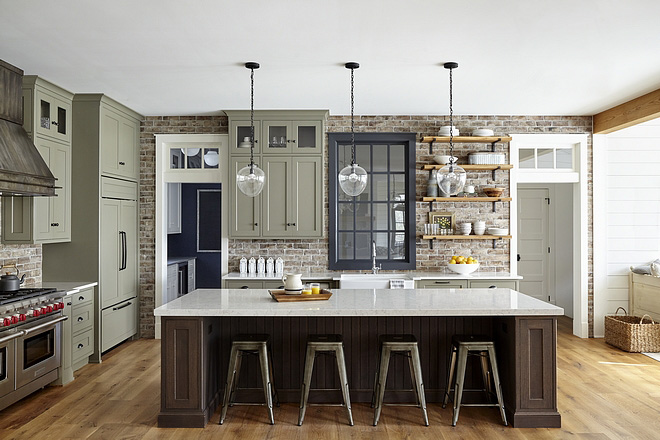
Farm House/Traditional

This popular and welcoming style depicts a traditional farmhouse look with charm and character. It combines rustic country style elements, including exposed beams, natural exposed stones, brick, brass, neutral colours with greens, browns, blues, green plants, vintage/antique accent pieces, barn doors, shiplap, large comfortable furniture, up-cycled wood, open shelving, detailed fireplaces, lime wash, handmade touches, organic raw materials and lots of layers giving it a cosy, inviting and warm look. It can also include traditional patterns like plaid and bolder deeper colours for accent areas.

This style has lots of timeless and classical details such as bold trims etc which last the test of time well. The look and elements are hardy, robust, practical and which are built to last.

The kitchen below has lots of rustic elements such as steel stools, open shelves, an exposed beam, natural wooden floor, traditional shaker style kitchen cabinets and rustic handles, traditional sunken sink and tap ware, traditional looking oven, a neutral palette with browns and greens, traditional accents such as a rustic wooden tray, milk jug and kettle all things you would expect to see in a traditional farmhouse. There is exposed brick and shiplap boarding outside. The pendant lights use a rustic industrial chain attached to glass lights bringing in another material.

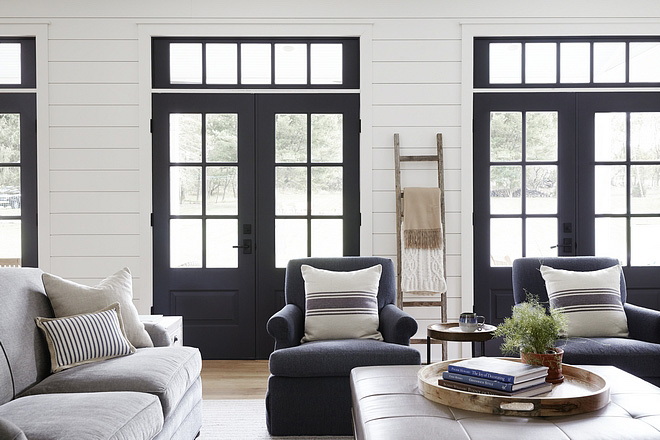
The chairs and sofa in the sofa to the right are large, bulky, inviting and comfy. They complement the harsher materials in the rest of the room and add warmth and cosiness to the space. The cushions compliment the look nickel bringing in some more blues.

Image Credit: https://www.houzz.co.nz

Mid-Century

The mid-century style was born 40’s, 50’s and 60’s, after the war, when urban development was expanding and there was a need for quick, mass produced, practical, modern and functional furniture. Features included bold colours but also warm and neutral tones, timbers, futuristic spacey looking designs, clean lines, natural materials such as woods, leather, glass, metal, minimalistic look and organic shapes to connect to nature. 

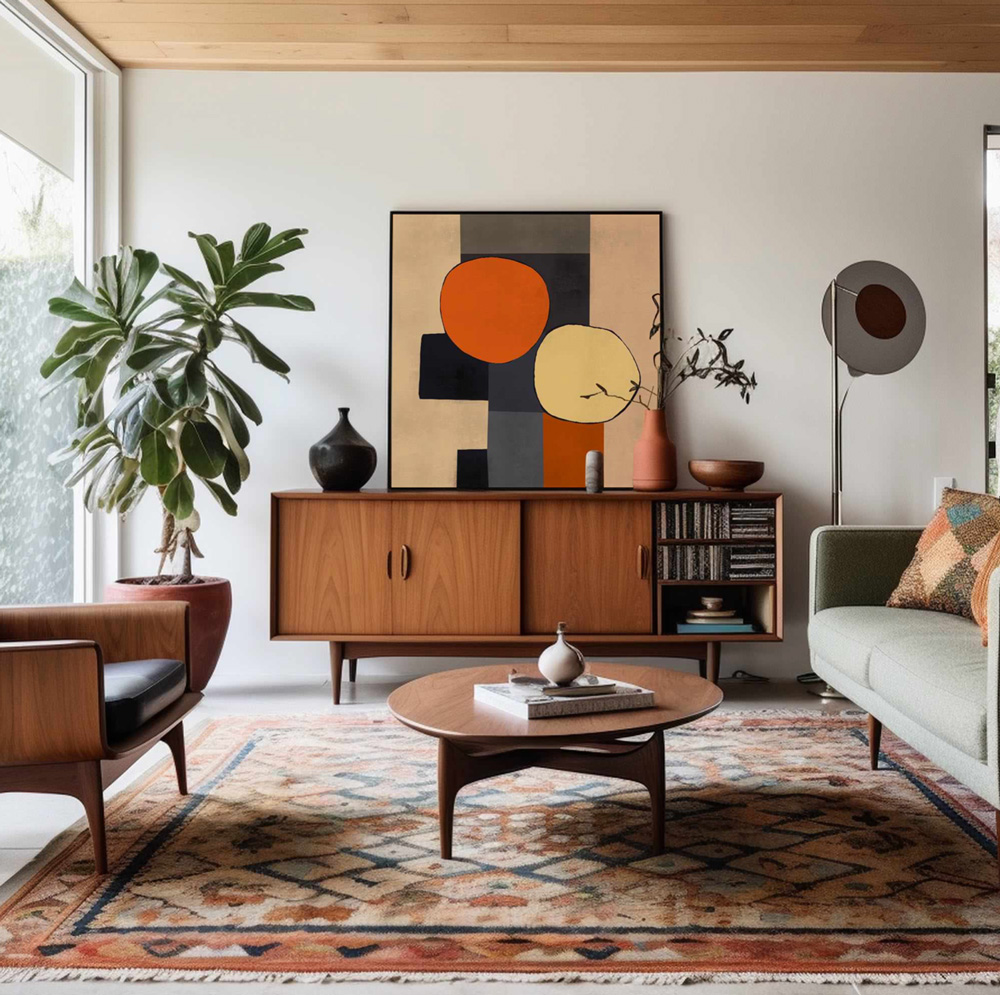
This room depicts mid-century style as the colour of the room is neutral but the rest of the room has bold colours as seen in the geometric pattered rug and cushions and the bold organic shapes on the artwork. There is a strong use of woods in the furniture as well as the roof. The shapes of the furniture include clean lines and contrasting organic rounded shapes. There is an absence of elaborate details or ornamentation on the furniture too. The room feels spacious and practical and the accents are rounded organic shapes too. The outside is brought in with the use of the green plants and large window letting in lots of light to the space.

Image Credit: https://www.thespruce.com/contemporary-living-room-ideas-8733099

Contemporary

The contemporary style is modern, spacious and clutter free. It has a minimal look with clean lines, smooth surfaces and sleek low-lying furniture. Materials such as chrome, leather, stainless steel, industrial materials and glass are often used for furniture and elements around the room. Smooth surfaces include glossy materials, granite, mirrors, marble etc. Cupboards and kitchens have a minimal flat look usually without any handles. Accent pieces and décor can be used to introduce bold colours, shapes and texture which adds contrast to this clean looking space. Colours are neutral but with bold accents and usually colourful abstract art.

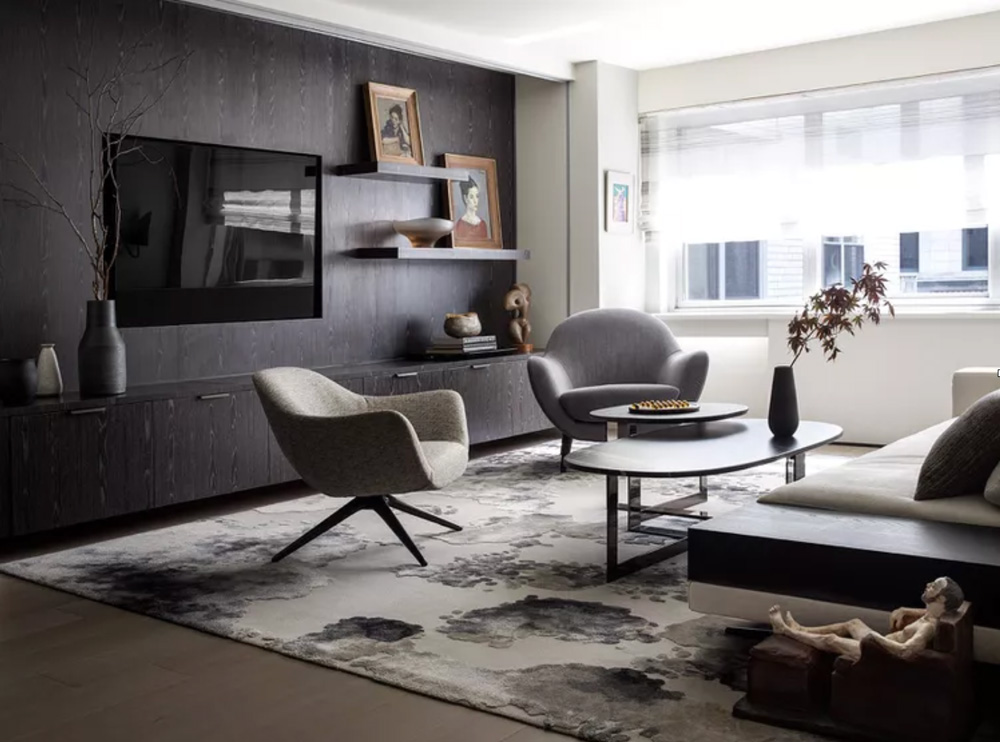
This room has a contemporary look, as it’s minimal and spacious with little clutter. The furniture is minimal and has lots of smooth lines. There are smooth surfaces and materials such as the flat wood on the feature wall and cabinets; there are also metals on the coffee table legs. The shape of the coffee table is unique and modern. The cupboards and handles are sleek and minimal. The sofa is leather and wood combined. Softness has been brought it through the use of the bold patterned rug and throw cushions. There is minimal window treatment to maximise the amount of light. The vases are organic shaped, the chairs and table is bold and curved, futuristic style but minimal and the plants are also quite minimal. To add some contrast and texture in the space there are some older more antique pieces adding interest.

Ready to Transform Your Space?

Feeling overwhelmed by the choices on the market or just don’t have the eye to put it together? Get in touch today to see how I can help.